Services

Evidence-based physiotherapy, rehabilitation and wellness delivered by certified specialists to help you move, recover and thrive.

Physio and Rehabilitation

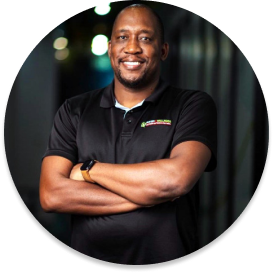
Ephraim Tloubatla, Managing Director and Senior Physiotherapist

Ephraim Tloubatla

Managing Director & Senior Physiotherapist

  • BSc. Physio (MEDUNSA)
  • MSc.Med:Bioethics and Health Law(Wits)
  • PGDipM (Wits)
  • MBA (Wits)

Ephraim leads the Physio & Wellness team with a hands-on, patient-first approach. He combines advanced postgraduate training in bioethics, health law and management with structured, evidence-based assessment and rehabilitation — guiding each patient from injury through to a safe return to function.

  • Clinical leadership & service excellence
  • Musculoskeletal & spinal rehabilitation
  • Orthopaedic & post-surgical recovery
  • Sports injury & return-to-play
  • Person-centred care planning

Core Physiotherapy Services

01

Musculoskeletal Physiotherapy

Treatment of

  • Neck and back pain
  • Sports injuries
  • Joint sprains and strains
  • Tendonitis and bursitis
  • Postural dysfunction
  • Work-related injuries
02

Orthopaedic Rehabilitation

For patients recovering from

  • Fractures
  • Joint replacements (hip, knee, shoulder)
  • Ligament repairs (ACL, rotator cuff)
  • Spinal surgery
03

Neurological Rehabilitation

For conditions such as

  • Stroke
  • Spinal cord injuries
  • Peripheral neuropathy
  • Parkinson’s disease
04

Cardiopulmonary Rehabilitation

For patients with

  • Respiratory complications
  • Chronic lung conditions
  • Cardiac surgery recovery
05

Sports Rehabilitation

Designed for

  • Athletes
  • Active individuals
  • Return-to-play programs

Includes

  • Biomechanical assessment
  • Sport-specific conditioning
  • Injury prevention strategies

Occupational Therapy

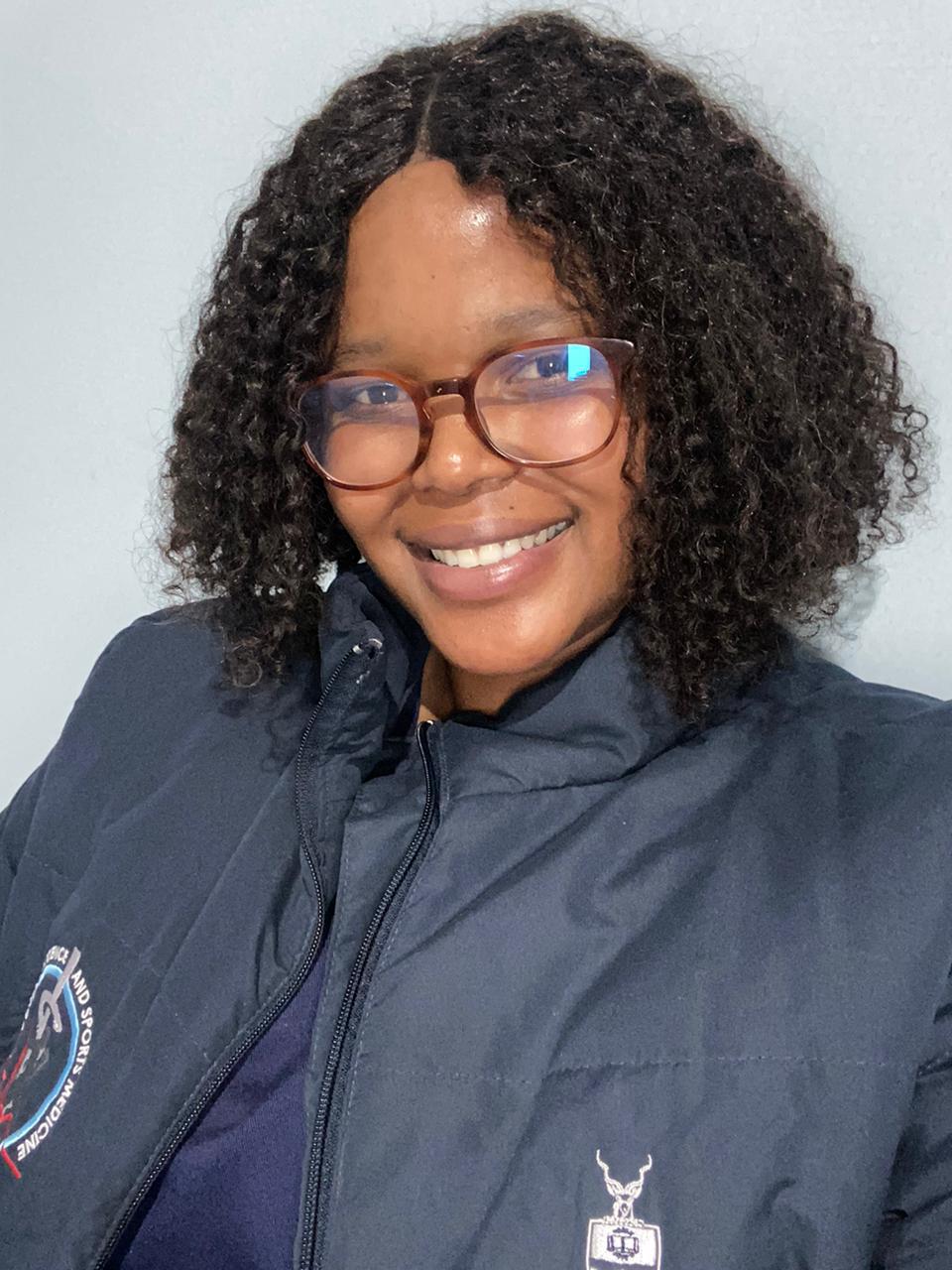
Lineo Sello, Occupational Therapist

Lineo Sello

Occupational Therapist

  • B Occ Ther (MEDUNSA)
  • PG Dip (UCT)
  • M Occ Ther (UP)

Lineo helps people of all ages participate in the everyday activities that matter most — at school, at work and at home. With postgraduate training spanning paediatrics, adult neurology and hand therapy, she designs practical, occupation-based plans that restore function and build independence.

  • Paediatric development & sensory integration
  • Adult neurological rehabilitation
  • Hand therapy & custom splinting
  • Functional capacity & return-to-work
  • Geriatric independence & fall prevention

Occupational Therapy (OT) is a healthcare service that helps people of all ages participate in meaningful daily activities (“occupations”) such as self-care, work, school, and leisure.

An occupational therapist focuses on improving function, independence, and quality of life after injury, illness, disability, or developmental challenges.

01

Paediatric Occupational Therapy

Helps children who experience

  • Developmental delays
  • Autism spectrum disorder
  • ADHD
  • Sensory processing difficulties
  • Poor fine motor skills (handwriting, cutting, dressing)
  • Learning challenges
02

Adult & Neurological Occupational Therapy

Supports adults with

  • Stroke
  • Brain injuries
  • Spinal cord injuries
  • Multiple sclerosis
  • Parkinson’s disease
  • Hand injuries
03

Work & Functional Rehabilitation

For individuals returning to work after injury or illness

  • Functional capacity evaluations (FCE)
  • Work conditioning programs
  • Ergonomic assessments
  • Return-to-work planning
  • Workplace modifications
04

Geriatric Occupational Therapy

Supports older adults with

  • Arthritis
  • Dementia
  • Reduced mobility
  • Fall risk
05

Hand Therapy & Splinting

Services include

  • Custom splint fabrication
  • Post-fracture rehabilitation
  • Tendon injury rehabilitation
  • Carpal tunnel management
  • Pain management strategies
06

Key Goals of Occupational Therapy

  • Improve independence
  • Restore function
  • Prevent further disability
  • Enhance participation in daily life
  • Improve overall well-being

Biokinetics

Ruth Ramabu, Biokineticist

Ruth Ramabu

Biokineticist

  • BHSc.Biokinetics (Wits)
  • B-Tech Sports & Exercise Science (TUT)

Ruth is the clinical director of the Biokinetics division at Physio & Wellness. With over 14 years of clinical leadership across private and hospital practices, Ruth is widely recognised for her expertise in exercise therapy, functional conditioning, and injury prevention programmes.

  • Exercise therapy & functional conditioning
  • Post-rehabilitation conditioning
  • Chronic disease management
  • Injury prevention programmes
  • Performance enhancement & athletic training

Biokinetics services are provided by qualified biokineticists — exercise specialists trained to use scientifically based exercise and movement programmes to improve physical functioning, health, rehabilitation, and performance.

01

Core Services Provided

Biokinetics services usually include:

Assessment & Evaluation

  • Physical screenings such as posture, body composition, strength, flexibility, heart rate, and fitness levels
  • Functional movement analysis to understand how you move and identify areas needing improvement

Exercise Prescription & Therapy

  • Individualised, evidence-based exercise programmes tailored to your needs
  • Exercise is used as “medicine” to help you heal, improve fitness, prevent injury, or manage health conditions

Rehabilitation & Recovery

  • Focus on the final phase of rehab after acute care by doctors or physiotherapists, helping restore full function and return to normal activities
  • Common areas include sports injuries, post-surgical recovery, orthopaedic issues, and chronic pain

Chronic Disease Management

  • Use exercise to help manage conditions like diabetes, heart disease, arthritis, obesity, and other lifestyle-related health issues

Performance Enhancement & Prevention

  • Improve athletic performance or general physical capacity
  • Reduce risk of future injuries by enhancing movement patterns, strength, and endurance
02

Who Can Benefit

Biokinetics services are helpful for a wide range of people, including:

  • People recovering from injuries or surgery
  • Individuals managing chronic diseases or lifestyle conditions
  • Athletes or active people wanting performance gains or injury prevention
  • Office workers with postural issues
  • Seniors maintaining mobility and quality of life
03

How it Differs from Physiotherapy

While both professions help with movement and rehabilitation:

  • Physiotherapists often focus on early-stage treatment (pain management, hands-on therapy)
  • Biokineticists specialise mainly in exercise-based rehabilitation and long-term conditioning after the acute stage is over

In short, biokinetics services use structured exercise and movement programmes as a key tool for rehabilitation, chronic disease management, health promotion, and performance enhancement — helping people move better and live healthier lives.

Images & Videos

Orthotics & Prosthetic Services

Moropo Mmola, Medical Orthotist and Prosthetist

Moropo Mmola

Medical Orthotist & Prosthetist

  • BHSc Med Ortho & Prost (TUT)

Moropo assesses, designs, fits and maintains orthotic and prosthetic devices that restore mobility, function and confidence — guiding each patient from detailed biomechanical assessment through to ongoing adjustments. He works closely with physiotherapists, biokineticists and doctors so that every device integrates fully with the patient’s rehabilitation plan.

  • Custom foot orthotics & footwear
  • Ankle-foot orthoses (AFOs) & bracing
  • Lower-limb prosthetic rehabilitation
  • Biomechanical assessment & gait analysis
  • Follow-up adjustments & device maintenance

Orthotics and Prosthetic Services focus on assessing, designing, fitting, and maintaining supportive and artificial devices that improve mobility, function, comfort, and independence.

01

Orthotics

Orthotics involve the prescription and fitting of external devices called orthoses, which support or correct musculoskeletal conditions.

Common Orthotic Devices

  • Foot orthotics (custom insoles) — for plantar fasciitis, flat feet, diabetic foot care
  • Ankle-Foot Orthoses (AFOs) — for foot drop, stroke, cerebral palsy
  • Knee braces — for ligament injuries or osteoarthritis
  • Spinal braces — for scoliosis or postural support
  • Wrist/hand splints — for nerve injuries or arthritis

Goals of Orthotic Management

  • Improve alignment and posture
  • Reduce pain
  • Prevent deformity
  • Enhance walking and functional mobility
  • Protect joints after injury or surgery
02

Prosthetics

Prosthetics involve the design and fitting of artificial limbs (prostheses) for individuals who have experienced limb loss due to trauma, diabetes, vascular disease, cancer, or congenital conditions.

Types of Prostheses

  • Upper limb prostheses (hand, forearm, arm)
  • Lower limb prostheses (below-knee, above-knee)
  • Cosmetic or functional prosthetic limbs
  • Myoelectric prostheses (controlled by muscle signals)

Goals of Prosthetic Rehabilitation

  • Restore independence and mobility
  • Improve balance and gait
  • Enhance confidence and quality of life
  • Facilitate return to work, sport, and daily activities
03

The Role of the Orthotist & Prosthetist

An Orthotist / Prosthetist:

  • Conducts detailed biomechanical assessments
  • Takes measurements and moulds
  • Designs and custom-fits devices
  • Provides follow-up adjustments
  • Works closely with physiotherapists, biokineticists, and doctors

Social Work Services

Keatlaretse Moamongwe, Social Worker

Keatlaretse Moamongwe

Social Worker

  • B Social Worker (NWU)
  • Honours in Psychology (NWU)
  • Masters in Psychology (NWU)

Keatlaretse supports individuals, families and communities through the emotional and social challenges of illness, injury, disability and life transitions. With honours and masters training in psychology, she combines psychosocial assessment, counselling and practical advocacy to remove the non-physical barriers that stand between patients and full recovery.

  • Psychosocial assessment
  • Counselling & emotional support
  • Family therapy & caregiver support
  • Social grants & medico-legal advocacy
  • Case management & care coordination

Social Work Services focus on supporting individuals, families, and communities to improve their emotional, social, and practical well-being — especially during times of illness, trauma, disability, or life transitions.

In a healthcare or rehabilitation setting (such as your physiotherapy and wellness practice in Pretoria), social work plays a vital role in addressing the psychosocial aspects of recovery.

01

What Social Workers Do

A registered social worker provides:

Psychosocial Assessment

  • Evaluates emotional, social, financial, and environmental challenges
  • Identifies barriers to treatment adherence and recovery

Counselling & Emotional Support

  • Adjustment to injury, chronic illness, or disability
  • Anxiety, depression, grief, and trauma support
  • Family conflict or caregiver stress

Advocacy

  • Assisting patients to access social grants
  • Supporting medico-legal reports where required
  • Protecting patient rights and dignity

Case Management

  • Coordination of care between healthcare providers
  • Referrals to community resources
  • Liaison with employers, schools, and insurers

Crisis Intervention

  • Support during medical emergencies
  • Domestic violence or abuse interventions
  • Safeguarding vulnerable patients
02

Importance in a Rehabilitation & Wellness Practice

In a multidisciplinary practice (physiotherapist, biokineticist, orthotist/prosthetist, and social worker), social work services:

  • Improve treatment compliance
  • Reduce psychological barriers to physical recovery
  • Enhance holistic patient care
  • Address socio-economic factors affecting rehabilitation
  • Support return-to-work planning

For example:

  • A patient with chronic back pain may also experience depression, affecting progress
  • A stroke patient may require family counselling and social grant assistance
  • A patient with spinal radiculopathy may need workplace accommodation support
03

Types of Social Work Services Offered in a Health Practice

Individual Services

  • Psychosocial counselling
  • Trauma debriefing
  • Adjustment to disability counselling
  • Chronic illness coping strategies

Family Services

  • Family therapy
  • Caregiver education
  • Conflict resolution

Corporate & Wellness Services

Ephraim Tloubatla, Managing Director and Senior Physiotherapist

Ephraim Tloubatla

Managing Director & Senior Physiotherapist

  • BSc. Physio (MEDUNSA)
  • MSc in Medicine (Bioethics and Health Law)
  • PGDipM (Wits)
  • MBA (Wits)

Ephraim leads the clinic’s corporate and wellness programmes with a hands-on, evidence-based approach — guiding companies through on-site physiotherapy, ergonomic improvements and structured return-to-work rehabilitation. He combines advanced postgraduate training in bioethics, health law and management with practical, results-focused occupational health planning.

  • On-site physiotherapy & musculoskeletal care
  • Ergonomic assessments & workplace risk screening
  • Corporate wellness programme design
  • Return-to-work & occupational rehabilitation
  • Multidisciplinary wellness coordination

Corporate and wellness services are structured health programmes provided to companies to improve employee health, reduce absenteeism, prevent injuries, and enhance productivity. These services combine physiotherapy, rehabilitation, and multidisciplinary wellness interventions.

01

On-Site Physiotherapy Services

Services include

  • Assessment and treatment of musculoskeletal pain (neck, back, shoulder, wrist)
  • Management of work-related injuries
  • Postural correction programmes
  • Individual rehabilitation plans
  • Return-to-work assessments

Employer benefits

  • Reduced sick leave
  • Faster recovery from injuries
  • Lower risk of chronic conditions
  • Improved workplace morale
02

Ergonomic Assessments & Workplace Risk Screening

Services include

  • Desk and workstation evaluations
  • Manual handling assessments
  • Risk identification for repetitive strain injuries
  • Ergonomic training workshops
  • Written workplace recommendations

Outcomes

  • Prevention of neck and back pain
  • Reduction in repetitive strain injuries
  • Improved comfort and productivity
03

Corporate Wellness Programmes

Programmes may include

  • Group stretching sessions
  • Back care workshops
  • Stress management education
  • Lifestyle and injury prevention talks
  • Health screening days (posture, mobility, flexibility)

Multidisciplinary input may involve

  • Doctor
  • Physiotherapist
  • Biokineticist
  • Social worker (mental wellness support)
  • Orthotist / prosthetist (where indicated)
04

Return-to-Work & Occupational Rehabilitation

Services include

  • Functional capacity evaluations
  • Gradual return-to-work programmes
  • Work conditioning
  • Liaison with HR and employers
  • Medical report writing

Structured rehabilitation reduces the risk of reinjury, ensures safe work reintegration, and supports compliance with occupational health standards.

05

Why Corporate Wellness Matters

Corporate wellness services:

  • Reduce healthcare costs
  • Improve employee engagement
  • Decrease injury-related compensation claims
  • Enhance overall workforce performance
  • Demonstrate commitment to employee wellbeing

Easing the Financial Burden

ðŸĐš Medical Scheme & PMB Benefits

Because rehabilitation can be a lengthy and costly journey, we are committed to easing the financial burden by working directly with your medical scheme to activate and optimise your PMB benefits wherever applicable.

ðŸ’ģ Cash-Paying Patients

For cash-paying patients, we offer discounted treatment packages tailored to the recommended number of sessions—ensuring you receive consistent, high-quality care that remains accessible and affordable throughout your recovery.